
advantages of PCB rigid flex
PCB rigid flex is a combination of both rigid and flexible circuit boards that has become indispensable in the production of today’s advanced electronics. Its primary advantages are its ability to save space and weight while also ensuring structural integrity. It’s used in many high-tech products like laptops, tablets, solid-state drives, children’s toys, and wearable devices. Rigid flex circuits are also more durable, capable of withstand mechanical stress and environmental conditions such as UV radiation, chemicals, oils, and vibration.
The combination of rigidity and flexibility of pcb rigid flex circuits makes them suitable for the most challenging environments. For instance, a rigid flex PCB can withstand high levels of vibration that would otherwise result in PCB failures. It can also withstand harsh environmental factors such as UV light, chemicals, and oils, while offering superior thermal dissipation. This versatility enables rigid flex PCBs to be used in a wide range of industries, including aerospace and defense, medical, automotive, and consumer electronics.
Rigid flex circuits can reduce manufacturing costs and lead times by eliminating the need to install a wire harness. Moreover, they can improve circuit consistency by replacing multiple individual connectors and solder joints with a single integrated unit. The elimination of potential failure points also leads to greater reliability in critical applications, where the use of subpar PCBs can have severe repercussions that could threaten users or equipment safety.
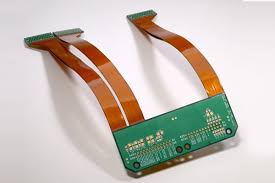
What are the advantages of PCB rigid flex?
However, the disadvantages of pcb rigid flex include higher manufacturing costs and longer build cycles. This is mainly due to the increased engineering and specialized manufacturing that rigid flex circuits require, as well as their more complex and expensive construction materials. Additionally, the niche focus of most rigid flex fabricators prevents them from quickly adding capacity to meet demand like more standardized rigid technologies can.
Achieving consistent quality for rigid flex circuits requires more design iterations to ensure that the dynamic bending and vibrations of these boards are compatible with the intended product design. The type of components, routing, and board thickness must be carefully planned to accommodate the necessary flex zone functionality. In addition, space is usually limited in smaller devices, so there is often a trade-off between the desired component placement and available flex zone functionality.
While well-designed rigid flex circuits can deliver the same reliability as traditional rigid PCBs, the added complexity and reliability challenges of these hybrid boards make them a poor fit for lower volume or simpler designs, especially for applications with high-speed data communications. Furthermore, the complex engineering and specialized fabrication required to manufacture rigid flex circuits can result in longer project development and production timelines than conventional PCBs.
As such, it’s important for design teams to thoroughly evaluate the advantages and disadvantages of rigid flex circuits before deciding on them for their next project. This can help them avoid significant unplanned costs and delays and maximize their product’s effectiveness. Nevertheless, the superior mechanical stability and vibration resistance offered by rigid flex circuits can justify their additional cost for products like foldable mobile devices that need both dynamic flexing and rigid mounting functionality.


