Pilates Beds Help for Stress Relief
A regular Pilates practice offers many physical benefits, but it can also help calm the mind and boost mood. The combination of mindful movement, controlled breathing, and a focus on correct posture can significantly reduce stress levels and foster relaxation. In addition, the practice can help to strengthen and tone the body and improve flexibility. These positive effects can extend beyond the workout into daily life.
The calming effect of Pilates is partly due to the fact that it is a low-impact exercise that does not work muscles to the point of exhaustion. This type of exercise can prevent the release of cortisol, a stress hormone that is associated with high blood pressure and heart disease. It can also help to promote the release of endorphins, chemicals that act as natural painkillers and create feelings of pleasure.
In addition, the controlled movements of Pilates are designed to stretch and relax the muscles. This can help to relieve tension in the neck, back and shoulders, which are common areas of stress. A deep sense of calm is often felt by participants after a session, which can carry over into their day-to-day lives. pilates beds offer a wide range of benefits that make them an ideal tool for strengthening and rehabilitating the body. Some of the most notable benefits of Pilates reformers include:
It is important to seek out a Pilates instructor who is trained in helping clients manage their stress. This person can assist you with developing a personalized yoga or Pilates routine to help you achieve your stress relief goals. In addition, the calming effects of Pilates can be enhanced by pairing it with other relaxation practices, such as meditation or yoga.
Can Pilates Beds Help With Stress Relief?
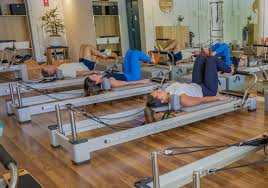
For those who are unable to make it to the gym, reformer Pilates is an at-home alternative that can provide the same physical and mental health benefits. A reformer is a large frame-like structure with a moving carriage that you can lay or stand on. Various coiled springs and pulleys are attached to the carriage, which allow you to add resistance to your exercises and diversify your workout.
A recent study published in Physiology & Behavior found that young sedentary women who added a six-week Pilates regimen to their exercise schedule experienced significant improvements in both their physical health and their ability to cope with stress. The researchers credit the beneficial results to the calming effects of the exercises, as well as the mindfulness aspect of Pilates that encourages practitioners to focus on their bodies and away from distracting thoughts.
If you’re new to Pilates, start with beginner classes and progress slowly. If you have any injuries or health concerns, it’s important to consult a healthcare professional before starting a new exercise routine. A qualified Pilates teacher or physiotherapist can help you safely and effectively perform the Pilates moves, avoiding injury and ensuring that you reap the maximum benefits from your workouts. If you want to learn more about the benefits of Pilates for stress and anxiety, Ky Mutchler offers a free guide for instructors on incorporating traditional stress management tools with Pilates. Check it out here!