Are wall spikes legal in residential areas?
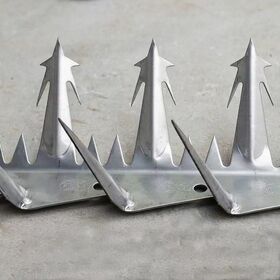
Wall spikes are a popular security measure designed to enhance protection against unauthorized access and intrusions. With their sharp metal blades, they provide an effective deterrent to potential intruders by making it difficult to climb or scale fences and walls. However, when considering installing wall spikes in residential areas, many homeowners may wonder whether their use is legal. The legality of wall spikes in residential areas can vary depending on the jurisdiction, local regulations, and the way they are installed. In this article, we explore the legal aspects of using wall spikes in residential areas.
1. General Legal Considerations for Wall Spikes
The primary concern when it comes to the legality of wall spikes in residential areas is whether they pose a safety hazard to the general public. Wall spikes, with their sharp edges, are designed to make it difficult for intruders to scale a fence or wall. While this makes them effective as a deterrent, they can also cause injury if someone accidentally comes into contact with them. Because of this, local authorities may regulate the use of wall spikes to prevent accidents, especially in areas where children or pedestrians may be nearby.
In many places, the installation of wall spikes may be subject to specific regulations regarding safety and accessibility. These regulations may stipulate that wall spikes need to be installed in a way that minimizes the risk of injury to passersby. This might include guidelines for how high the spikes can be installed, or the use of additional features like coverings or signage to alert individuals to their presence. Homeowners should always check local laws and consult with legal professionals before installing wall spikes to ensure they comply with safety standards.
2. Zoning and Property Use Regulations
In residential areas, zoning laws can also play a role in determining whether wall spikes are allowed. Zoning laws are designed to regulate the use of land and property to ensure that residential, commercial, and industrial zones are kept separate. In some regions, local zoning laws may restrict the use of certain types of security features, such as wall spikes, to preserve the aesthetic appeal of residential neighborhoods and prevent them from becoming a public hazard.
Some homeowners associations (HOAs) may also have rules in place that restrict the installation of wall spikes or similar security measures in residential areas. These rules are often in place to maintain a uniform appearance within the community and ensure that security measures do not negatively impact the overall look and feel of the neighborhood. Homeowners should review their HOA rules and regulations before proceeding with the installation of wall spikes.
3. Local Safety and Nuisance Laws
In addition to general safety regulations, local laws may also address whether wall spikes can be used in residential areas based on the potential nuisance they could cause. For instance, some jurisdictions may prohibit or restrict security features that could be seen as a hazard to the public or create unnecessary distress. In these cases, wall spikes could be deemed a nuisance if they are considered dangerous or if they negatively affect the rights of neighboring residents.
In some regions, local councils may have specific codes that outline what is permissible in terms of fencing and security features. These codes may include provisions for wall spikes, requiring homeowners to seek permits before installing them, or they may prohibit their use altogether. It is important to check with local authorities to understand the specific rules governing the installation of security spikes in residential areas.
4. Installation Methods and Safety Features
Even in areas where wall spikes are allowed, the manner in which they are installed is crucial in determining their legality. Proper installation methods can reduce the risk of accidents and injuries, ensuring compliance with safety standards. For example, wall spikes may need to be installed at a certain height or covered with protective materials to minimize the chances of someone coming into direct contact with them.
In some cases, there are alternatives to sharp, exposed spikes, such as blunt-tipped spikes or spikes covered with protective materials that still provide the same security benefits without the risk of injury. These alternatives may be more acceptable in areas with stricter safety regulations, offering a balance between security and public safety.
5. Alternatives to Wall Spikes
If wall spikes are not permissible in a particular residential area due to safety or legal concerns, there are several alternative security options available that can offer similar protection. For example, electric fences, motion sensors, or security cameras can be used to protect a property without the potential risks associated with wall spikes. In some cases, homeowners may find that other security measures, such as better lighting or security patrols, can also be effective deterrents.
6. Sourcing Wall Spikes for Residential Use
For those who determine that wall spikes are a legal and suitable option for their property, finding high-quality wall spikes is essential. Online platforms like Global Sources offer a range of wholesale wall spikes products from verified wholesalers and manufacturers in countries such as China, India, and Korea. These platforms allow buyers to compare different configurations and prices, ensuring they select the right product for their security needs.
When shopping for wall spikes, homeowners should ensure they are purchasing products that meet the necessary safety standards and legal requirements. It is also important to consider the durability and weather resistance of the wall spikes to ensure they provide long-term protection.
Conclusion
The legality of wall spikes in residential areas depends on various factors, including local regulations, safety concerns, and zoning laws. While wall spikes can be an effective security measure, homeowners must ensure that their installation complies with local laws and safety standards. By doing so, they can enhance the security of their property while avoiding potential legal issues. Consulting with local authorities and using reputable suppliers for high-quality, compliant wall spikes can help homeowners make informed decisions about securing their property.