
Flex Circuit Design
The assembly of flexible circuits can present several challenges that manufacturers must overcome. These include ensuring that the proper components are placed and soldered properly, ensuring that the materials used can handle the high temperatures that are required to melt and solder the components, and overcoming the physical limitations of the material. This requires the use of specialized equipment, meticulous hand assembly, and a team of highly skilled designers and operators.
One of the main challenges in flex circuit assembly is that there are often issues with the physical layout and placement of the traces and components. This can be due to the limited size of the flex, the limited space available for placing components, and the need to accommodate bends and other movements in the flex during operation or assembly. This can be overcome by the use of advanced design software, carefully selecting components with the right packaging and mounting methods, and minimizing the number of component pins to avoid excessive contact area.
Another challenge is the need to ensure that the flexible circuit can withstand repeated movement cycles. This is a key factor in the selection of the proper materials and achieving reliable long term performance. This can be achieved by designing the flex to meet or exceed the minimum bending requirements of the application, and accounting for the number of cycles that will be expected during operation.
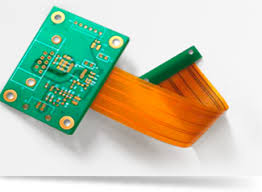
Challenges in Flex Circuit Design
A common mistake made by many flex circuit designers is to overspecify the circuit. This can lead to the need for multiple flexes or very thick multilayer flexes that are not suited to the application, and can also cause problems during assembly. For example, a design may require multiple power traces, EMI-shielded signals, and high speed signals with required reference planes. Satisfying these demands will result in a flex that is very thick, with poor flexibility.
Another mistake that is often made by flex circuit designers is not considering the number of flexes needed, and not determining the optimum thickness of the flex based on the required level of flexibility. This can lead to a flex that is too thick to meet the required bending tolerances, and can cause problems during assembly and operation. Ideally, the flex should be designed at the end of the system design, rather than at the beginning, and it should be a key part of the overall system layout.
A final challenge in flex circuit assembly is managing the cost of the product while meeting quality and reliability requirements. The most important step in this is working with the flex circuit supplier early in the development process. They can provide insights into cost-effective sourcing and manufacturing options and help to standardize designs for the best possible outcomes. The use of flex circuits eliminates the need for external wires and connectors, reduces assembly time, and lowers total product cost. This is especially critical for wearable electronics, where the cost of connectors and other accessories can significantly increase the cost of the device.


