choose the right size of shoes moulds
Shoe moulds aren’t just for shoes, they can be used to make picture frames and even be carved into interesting shapes that can be displayed on walls. They can be made of various materials, including polystyrene and wood, and they are available in many different sizes. If you’re looking to find the right size for your feet, it is important to read the shoe molding sizing chart carefully. It should explain that sizing is primarily based on foot length, not width. The size chart should also list whether the shoe molds are sized to the French-origin Paris measurement system or the Turkish-origin pont system.
The best way to get rid of the mold on your shoes moulds is to clean them thoroughly and then use a shoe cream or conditioning leather lotion. This should restore your shoes to a good condition. Then, let the shoes dry completely before putting them on again. Moisture can easily make mold grow, and it can be very hard to remove once it has grown.
Mold in shoes can be quite dangerous, particularly for those who have asthma or allergies. It can also be a problem for people who work on their feet all day, such as zookeepers or construction workers. These types of people are at a greater risk of developing foot problems, such as blisters and fungal infections. Mold in shoes can also make it difficult to walk properly, which can lead to further health problems.
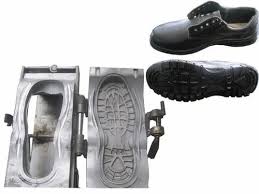
How do you choose the right size of shoes moulds?
If you have to cut shoe molding, it is best to do this before you install it. This will allow you to paint or stain the trim while it’s loose and much easier than trying to do it once it’s tightly installed on your baseboard. If you are painting or staining your shoe molding, it’s a good idea to coat the trim first while it’s still loose on a drop cloth or on a workbench.
Before installing the shoe molding, take a tape measure and walk around your room to take a tally of all surfaces that will need a piece of shoe molding. This type of molding typically runs along the bottom of baseboards, but can also run along the bottom of cabinets or over a door casing. Then, add up all those surfaces and 10 percent (or more if necessary) to figure out how much shoe molding you need.
The most popular shoe molding is made of either primed finger-jointed pine or primed MDF. Both options are sturdy and easy to cut, and they can be painted to match existing baseboard trim or cabinetry. If you’re on a budget, you can also buy polystyrene shoe molding at most big-box stores. This type of trim is less expensive than wood or MDF, but it doesn’t cut as cleanly and it won’t hold nails as well. It does come with a smooth white finish that doesn’t need to be painted, though, which may make it the better choice if cost is your main concern.