
PCB prototype differ from mass production
In the world of electronics manufacturing, Printed Circuit Boards (PCBs) play a crucial role in the functionality of a wide variety of devices. When developing a new product, engineers typically start with a PCB prototype before proceeding to mass production. The process of creating a PCB prototype differs significantly from mass production, both in terms of cost, design flexibility, speed, and scale.
A pcb prototype is essentially a small-scale version of the final printed circuit board that is used to test the design and functionality of the electronics. It allows engineers to detect any potential issues early in the development phase before committing to the costly and time-consuming process of mass production. Prototyping enables designers to validate the PCB’s electrical performance, physical dimensions, and compatibility with other components. During this stage, adjustments can be made to the design, and new ideas or innovations can be quickly tested without significant financial investment.
In contrast, mass production of PCBs involves the large-scale manufacturing of the final design. This process is optimized for efficiency and cost-effectiveness, with a focus on producing large quantities of PCBs quickly and at a low unit cost. Once the design is finalized through prototyping and all issues have been addressed, manufacturers move to mass production, which uses advanced machinery and automated processes to create thousands or even millions of identical PCBs. The equipment used in mass production is specialized for high-volume output and requires minimal human intervention, making it far more efficient than the manual or semi-automated processes used in prototyping.
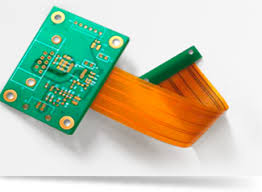
How does a PCB prototype differ from mass production?
One of the most significant differences between a PCB prototype and mass production is the complexity of the design. During prototyping, engineers have the freedom to experiment with different layouts, materials, and components, often trying out multiple revisions in a short amount of time. Since only a few units are being made, the design can be adjusted multiple times without the need for a large upfront investment. This flexibility allows for quick iterations to solve design flaws or improve the functionality of the board. However, once the design is approved and ready for mass production, it is typically locked down, and any changes made after this point are more expensive and time-consuming.
Another key difference is in the materials used for a PCB prototype compared to those used in mass production. Prototypes are often made with standard or off-the-shelf materials, which are suitable for short-run manufacturing and testing. However, for mass production, manufacturers use specialized materials that meet the durability, cost-effectiveness, and performance requirements of large-scale production. The choice of materials can also be influenced by factors such as the PCB’s intended use, environmental conditions, and regulatory requirements. In mass production, the use of specialized materials can increase the cost per unit, but this is offset by the economies of scale achieved through high-volume manufacturing.
Speed and turnaround time also differ significantly between prototyping and mass production. A PCB prototype can typically be manufactured in a matter of days or weeks, depending on the complexity of the design and the manufacturer’s capabilities. This quick turnaround allows engineers to rapidly test and iterate on their designs. However, mass production requires a more extensive setup process, including tooling, validation, and extensive quality control checks. These steps take longer and involve higher costs, but the result is a high-quality, consistent product that can be produced in large quantities.
Ultimately, the transition from PCB prototype to mass production represents a shift from experimentation and testing to efficiency and scale. While prototyping is essential for refining designs and ensuring functionality, mass production is optimized for delivering high-quality PCBs at a large scale and low cost. The ability to differentiate between these two phases of production is crucial for engineers and manufacturers to ensure a successful product launch while managing time, cost, and resources effectively.


