
Printed Circuit Board Assemblies Benefit Medical Devices
Printed circuit board assemblies house and connect electronic components to make them function as a whole unit. They are vital in a variety of industries, but they’re especially important for medical devices. PCBs can be assembled in a number of ways, including pick-and-place, reflow soldering, and wave soldering. Regardless of which method is used, all medical device PCBs should be produced with high-quality materials and meet specific standards.
PCBs are found in many types of medical equipment, from diagnostic and treatment tools to monitoring systems. The role of PCBs in medicine is only growing as technology continues to advance. printed circuit board assemblies are now able to make it possible for medical professionals to monitor patients at home, which allows them to treat more people and improve overall care.
For example, PCBs in ambulances allow paramedics to track and contact their patients in real time. They also help them locate nearby patients and hospitals. PCBs are enabling healthcare companies to offer at-home services such as remote monitoring and surgery robotics.
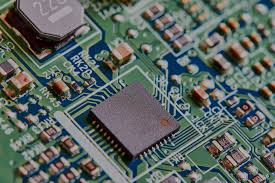
How Printed Circuit Board Assemblies Benefit Medical Devices
The assembly of a medical-grade PCB is a complex process that requires a significant amount of skill and precision. PCB manufacturers must follow a detailed design plan to ensure that the finished product meets all of the necessary requirements. It is also crucial to have a robust testing system in place to catch any errors before delivering the final prototype to the client.
To start the assembly process, a metal paste stencil is laid over the PCB and then solder paste is applied to the designated areas. This allows the components to be positioned accurately on the PCB. Once the paste has been placed, the stencil is removed and the electronics are soldered to the pads on the board.
Medical-grade PCBs must be made from durable materials to prevent corrosion and failure in harsh environments. They must also be able to withstand rigorous sterilization procedures. In order to produce these types of PCBs, manufacturers must use expensive equipment such as direct laser imaging and additive/semi-additive processes. This type of production is a large investment, but it allows manufacturers to produce a medical-grade PCB that is both durable and cost-effective.
In addition to the manufacturing process, medical-grade PCBs must be tested and approved by a qualified lab. This can be a lengthy process, but it is essential to ensure that the final medical-grade PCB is safe and compliant with all of the required standards.
EMSG is proud to be a leader in providing PCB manufacturing and assembly services for medical-grade equipment. Our team of experienced engineers has extensive experience in designing and producing complex PCBs for a variety of different applications. We understand the unique challenges of producing medical-grade equipment and can help you find a solution that works best for your business. Contact us today to learn more about our PCB services and how we can help you with your next project!


