
purpose of an Smt pcba
Surface Mount Technology (SMT) has revolutionized the electronics manufacturing industry by providing a more efficient and reliable method for assembling printed circuit board assemblies (PCBAs). At the heart of SMT lies the PCB itself, a critical component in nearly all electronic devices we encounter daily, from smartphones to medical equipment and automotive systems. But what exactly is the purpose of an SMT PCBA, and why is it so integral to modern electronics?
Firstly, it’s essential to understand the fundamental role of a PCBA within an electronic device. A printed circuit board assembly serves as the backbone, connecting various electronic components, such as microprocessors, capacitors, resistors, and integrated circuits, in a structured and organized manner. It provides the necessary electrical connections between these components, facilitating the functionality of the device as a whole.
The purpose of an smt pcba specifically lies in its method of assembly. Unlike traditional through-hole technology, where components are manually inserted into pre-drilled holes on the PCB and soldered in place, SMT involves mounting components directly onto the surface of the board. This process offers several advantages, including higher component density, improved electrical performance, and enhanced manufacturing efficiency.
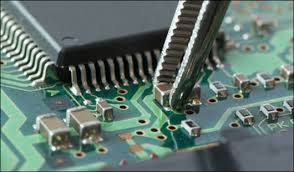
What is the purpose of an Smt pcba?
One of the primary purposes of using SMT for PCB assembly is its ability to accommodate miniaturization and compact design requirements. With electronic devices becoming increasingly smaller and more portable, SMT allows manufacturers to pack more functionality into limited space without compromising performance. By mounting components directly onto the surface of the PCB, SMT enables a higher degree of integration and enables the development of sleeker and more lightweight products.
Moreover, SMT offers improved electrical characteristics compared to through-hole technology. By minimizing the length of electrical paths and reducing parasitic capacitance and inductance, SMT PCBAs can achieve better signal integrity and lower electromagnetic interference (EMI), leading to overall higher reliability and performance of electronic devices. This is particularly crucial in applications where precision and consistency are paramount, such as in aerospace, medical, and automotive industries.
Additionally, the automated nature of SMT assembly contributes to increased manufacturing efficiency and cost-effectiveness. SMT production lines utilize advanced robotic equipment to pick and place surface-mount components onto PCBs with speed and accuracy, significantly reducing assembly time and labor costs. Furthermore, SMT allows for greater flexibility in production, enabling rapid prototyping and customization to meet evolving market demands.
Another critical purpose of an SMT PCBA is its compatibility with modern manufacturing processes and technologies. As electronic devices continue to evolve with advancements in materials, components, and functionalities, SMT offers the versatility to incorporate new innovations seamlessly. Whether it’s incorporating advanced semiconductor devices, implementing wireless connectivity solutions, or integrating sensor technologies, SMT PCBAs provide a solid foundation for innovation and future-proofing electronic designs.
Furthermore, the widespread adoption of SMT has contributed to the standardization of component packages and assembly techniques, simplifying supply chain management and facilitating global collaboration in the electronics industry. Manufacturers can leverage economies of scale by sourcing standardized components and utilizing common assembly processes, resulting in cost savings and streamlined production workflows.
In conclusion, the purpose of an SMT PCBA extends beyond mere assembly—it represents a cornerstone of modern electronics manufacturing, enabling compact design, superior electrical performance, enhanced manufacturing efficiency, and compatibility with evolving technologies. As electronic devices continue to permeate every aspect of our lives, SMT PCBAs will remain indispensable in driving innovation and shaping the future of technology.


