
key considerations for designing printed wiring assembly
Designing a printed wiring assembly (PWA) is a meticulous process that requires careful consideration of various factors to ensure optimal performance and reliability. From component selection to layout design, every step plays a crucial role in the functionality and efficiency of the final product. Here are some key considerations that designers need to keep in mind when creating a printed wiring assembly.
First and foremost, component selection is paramount in PWA design. Choosing the right components that meet the specific requirements of the application is essential for ensuring the overall performance and longevity of the assembly. Factors such as component size, power ratings, operating temperature range, and compatibility with other components must be thoroughly evaluated during the selection process.
Another critical aspect of printed wiring assembly design is layout optimization. The layout of the printed wiring assembly can significantly impact its performance, signal integrity, and manufacturability. Designers need to carefully plan the placement of components, traces, and vias to minimize signal interference, impedance mismatches, and other potential issues. Additionally, considerations such as thermal management, EMI/RFI shielding, and accessibility for testing and maintenance should also be taken into account during the layout design phase.
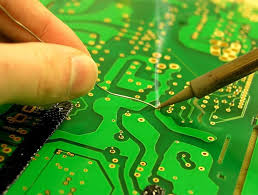
What are the key considerations for designing printed wiring assembly?
Ensuring proper signal integrity is essential for the reliable operation of a printed wiring assembly. Signal traces must be routed in such a way that minimizes signal distortion, crosstalk, and electromagnetic interference. High-speed digital signals, in particular, require careful attention to routing techniques such as controlled impedance routing, differential pair routing, and signal termination to maintain signal integrity and minimize data errors.
Furthermore, thermal management is a critical consideration in PWA design, especially for assemblies that generate significant heat during operation. Adequate cooling measures such as heat sinks, thermal vias, and airflow management must be incorporated into the design to prevent overheating and ensure the reliability of the components. Additionally, designers need to consider the operating temperature range of the components and select materials that can withstand the required environmental conditions.
Manufacturability is another key consideration for designing printed wiring assemblies. The design should be optimized for efficient and cost-effective manufacturing processes such as PCB fabrication, component placement, soldering, and inspection. Designers need to work closely with manufacturing partners to ensure that the design meets the necessary requirements for assembly and testing while minimizing production costs and lead times.
Furthermore, reliability is paramount in PWA design, especially for applications where downtime or failure is not an option. Designers need to consider factors such as mechanical stress, vibration, thermal cycling, and environmental conditions to ensure the long-term reliability of the assembly. This may involve using ruggedized components, conformal coating, and other protective measures to enhance the durability and robustness of the printed wiring assembly.
In conclusion, designing a printed wiring assembly requires careful consideration of various factors to ensure optimal performance, reliability, and manufacturability. From component selection to layout design, every aspect of the design process plays a crucial role in the functionality and efficiency of the final product. By following best practices and addressing key considerations, designers can create printed wiring assemblies that meet the specific requirements of their applications and deliver exceptional performance and reliability.


